
Eating disorders are like a gun that’s formed by genetics, loaded by a culture and family ideals, and triggered by unbearable distress.
–Aimee Liu
My stomach begins to rumble, that low hum that I’ve become all too accustomed to. With my roaring belly comes that familiar pain. I can’t remember the last time I had an actual meal and I prefer to keep it that way. There’s a fear in the back of my mind that I may put on a significant amount of weight no matter what I eat; an irrational fear. The pain in my stomach shakes me to my very core, it begins to swell, very nearly causing me to double over. All of this to save me from putting on a few pounds. It began when I was younger, a husky child that ate too much, ran too little and I was content. I recall the names I had been called as a child, fatty, cow and the like, I never, ever want to feel like that again. That feeling of helplessness. I couldn’t argue with them. After all, I was each and every thing that they called me. Their insults and jeers came from a place of truth, however hurtful they may have been. As I got older the insults would grow worse, more creative. Still I remained silent. As a young adult, I found the gym. I started lifting weights and eating fewer calories. I began to like what I saw in the mirror. I told myself that no matter what, I would never go back. I would never put myself in a place where I would be the recipient of the relentless name calling. I’d be better than all of that. This healthy change soon morphed into something more sinister, an obsession. A missed gym session would be punished by a day without food. A bad gym session would result in less food than I knew was necessary for survival. Soon abstaining from overeating turned into denial from any sort of food at all, lest I return to who I once was.
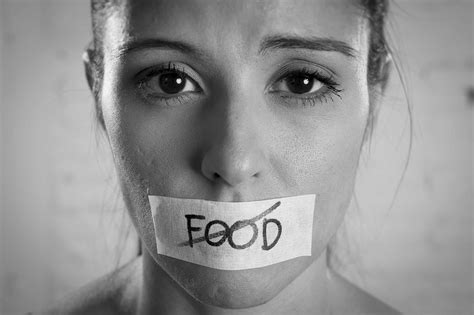
An eating disorder is typically defined as “a range of psychological disorders characterized by abnormal or disturbed eating habits (such as anorexia nervosa).” Much like depression, an eating disorder is hard to combat alone, even harder still if you refuse to admit that you have a problem. Some fight weight gain by regurgitating the food they’ve consumed. Others use laxatives or diet pills. A person with an eating disorder is not always emaciated or underweight. Often, they simply suffer from an irrational fear. Compulsive eating is a less frequently recognized eating disorder. Most of these disorders can be connected to emotional trauma or stress. My trauma was the voice in my head that repeated every insulting name that I had been called.
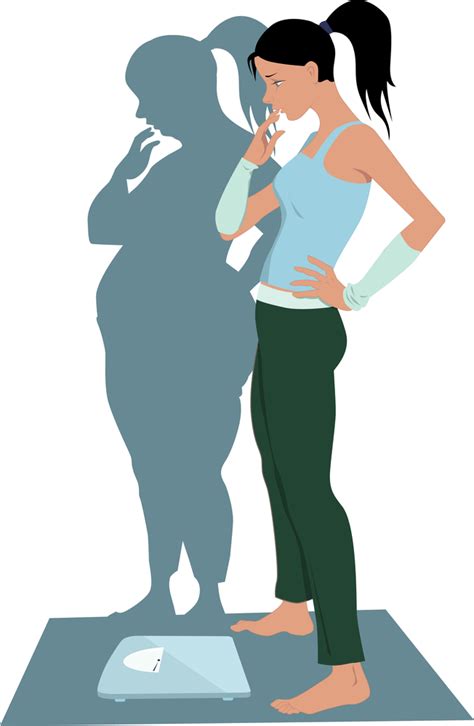
Like countless other mental health issues, eating disorders can be overcome with the help of others. Pick up the phone and speak with someone, don’t suffer through it alone. It isn’t necessary. An eating disorder is a fight with oneself and nobody knows how to counter you as well as you do. I recommend seeing a counselor, a dietitian, any sort of professional that may be able to help you with the battle that you’re in. I was able to realize my problem with the help of friends and family. I was guided through more healthy ways to reach my goals. Starving myself was not an appropriate option. It’s my will power and support of others that helped me overcome the mindset of my disorder. You are not alone. You too can overcome.
 Mind Talk